
SUPPLEMENTAL READINGS for ISSUE 01
books we read for issue 01

In general, our greatest inspiration and insights come from face-to-face conversations within projects, collectives, and struggles. When it comes to theory, nothing can replace this. Failing to participate in real political tasks, relying only on books, essays, and documentaries, deforms and misleads many people. Useful hypotheses and ideas cannot be easily developed that way.
Still, we wanted to share with you a selected bibliography for Radar 01. The following books supplemented our in-person conversations and participation in collective endeavors. We have not mentioned a rather large number of contemporary interviews, articles, and essays that influenced the first issue of our journal. Still, we want to share some of the sources we drew from as we produced our first issue in Fall 2024.
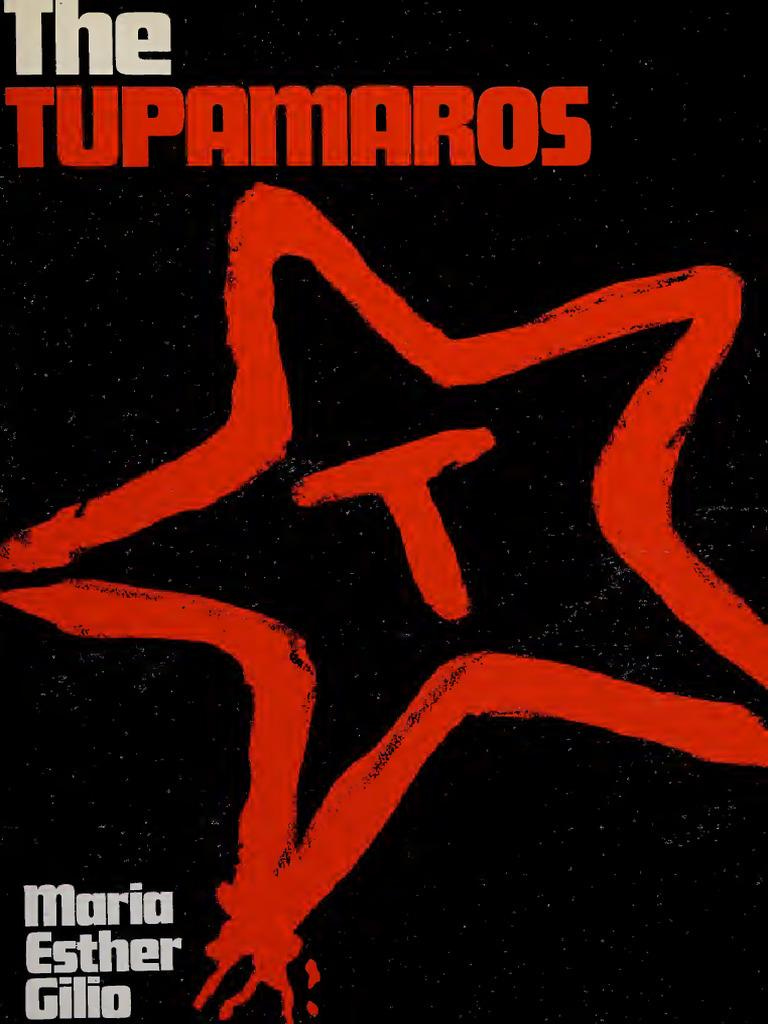
The Tupamaros by Maria Esther Gilio
A respected Argentine journalist travels to Uruguay. The author interviews factory workers, school children, activists, and street vendors about the infamous urban guerrilla organization the National Liberation Movement - Tupamaros.
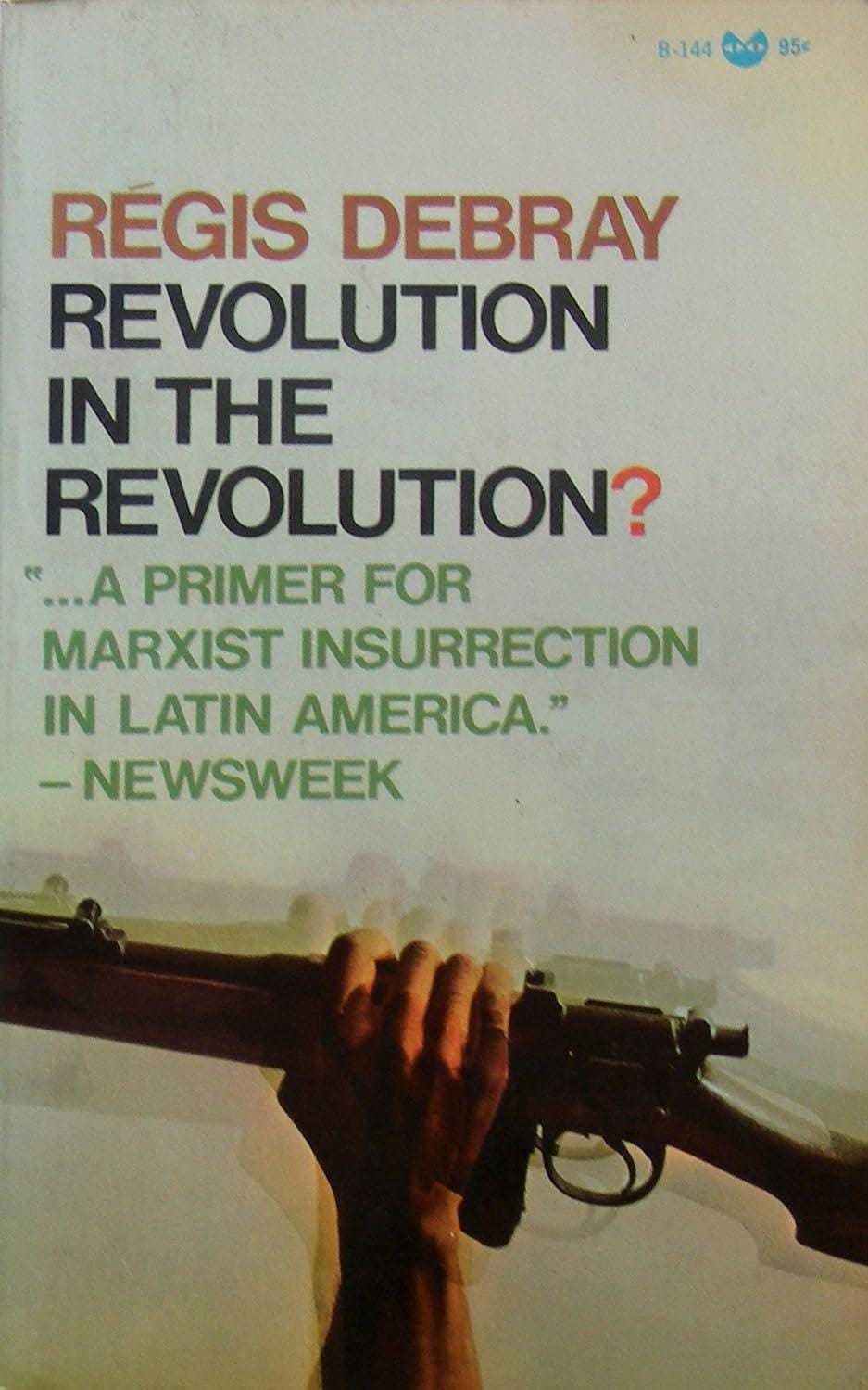
Revolution in the Revolution? by Regis Debray
This short book was published in 1967. Bolivian military police arrested its author that same year, accusing him of joining Che Guevara’s armed campaign. A controversial treatise on guerrilla warfare and the so-called “foco theory.”
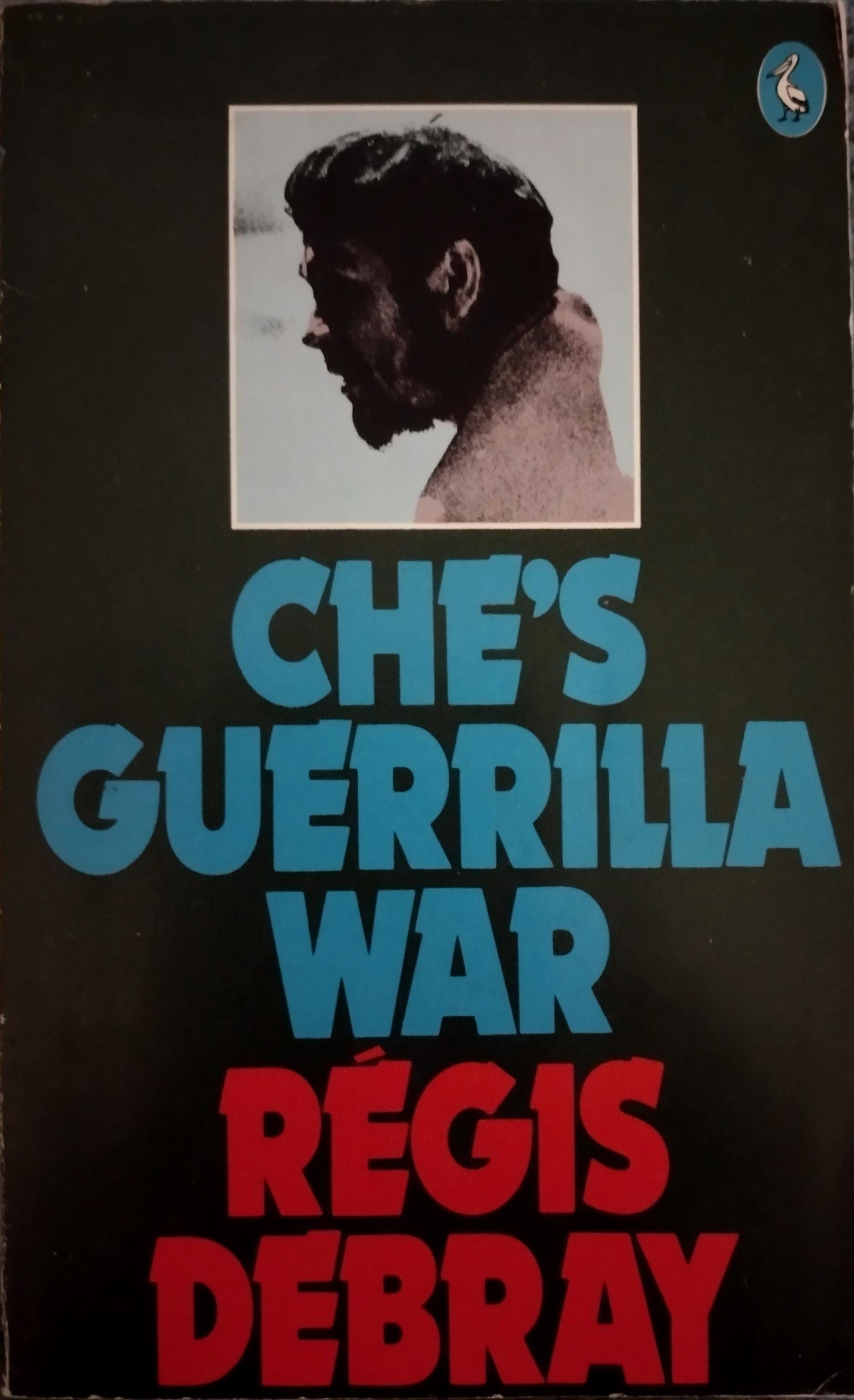
Che’s Guerrilla War by Regis Debray
Published in 1974, after the author’s release from Bolivian prison. Here, Debray offers a detailed analysis of the failed Ñancahuazú campaign as one of it’s sole survivors. A humbling and sobering retrospective.
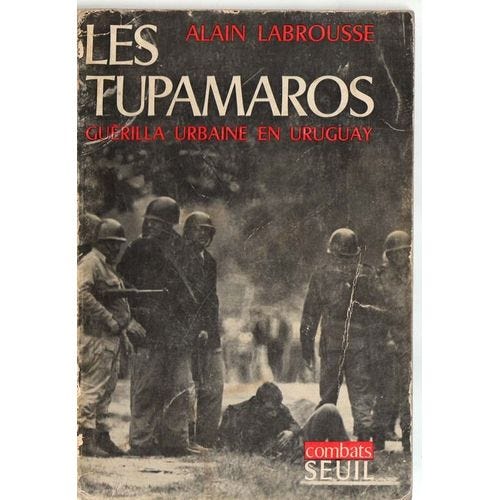
The Tupamaros by Alain Labrousse
A short, thrilling history of the Tupamaro guerrillas and the political context behind their origins and development. Published at the height of scandal in Uruguay, following the kidnapping of CIA torturer agent Dan Mitrione.
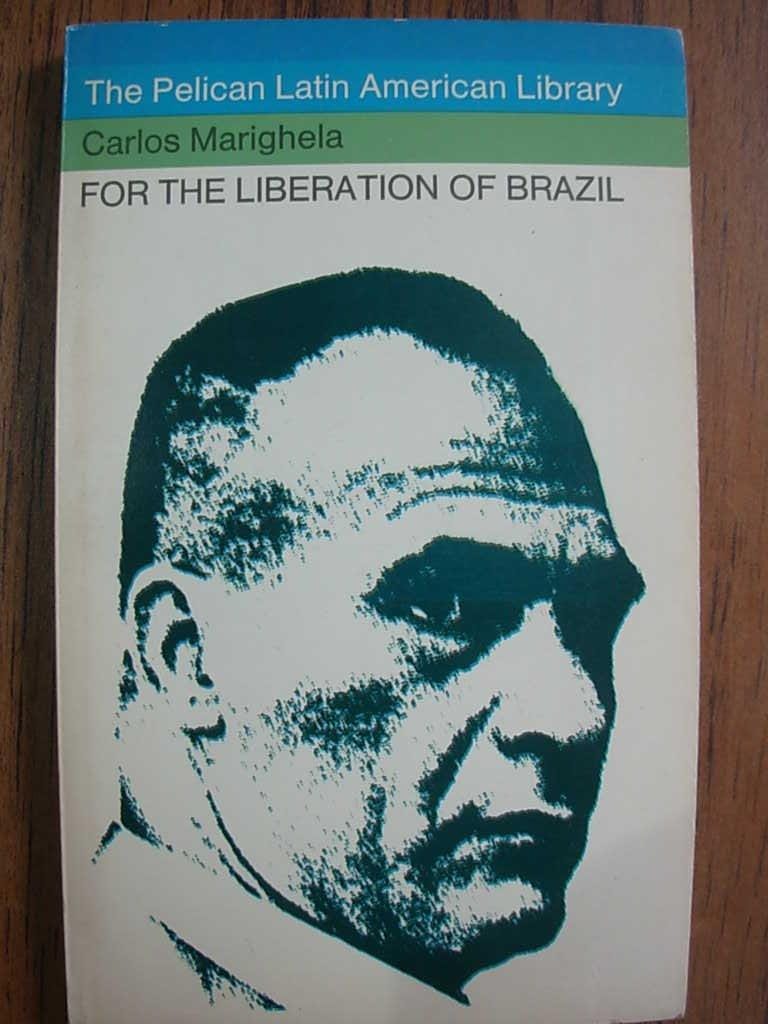
For the Liberation of Brazil by Carlos Marighela
A collection of writings by the most influential figure in the armed struggle against the dictatorship in Brazil. Police killed the author in 1969.
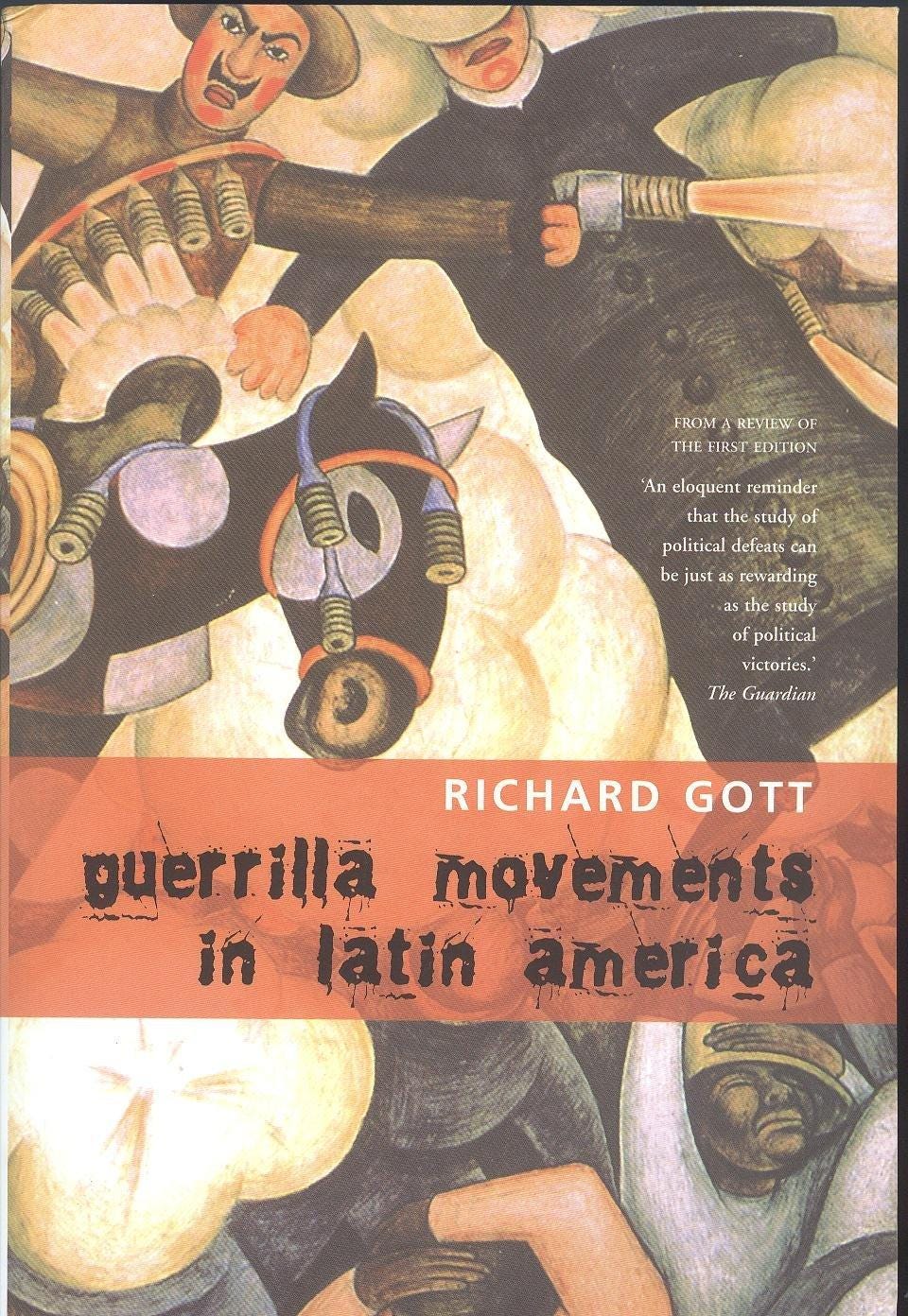
Guerrilla Movement in Latin America by Richard Gott
An exhaustive overview of rural guerrilla movements in Guatemala, Venezuela, Colombia, Peru, and Bolivia. Published in 1970. Important close-up analysis of movements the legacies of which continue to shape much of Latin American politics.
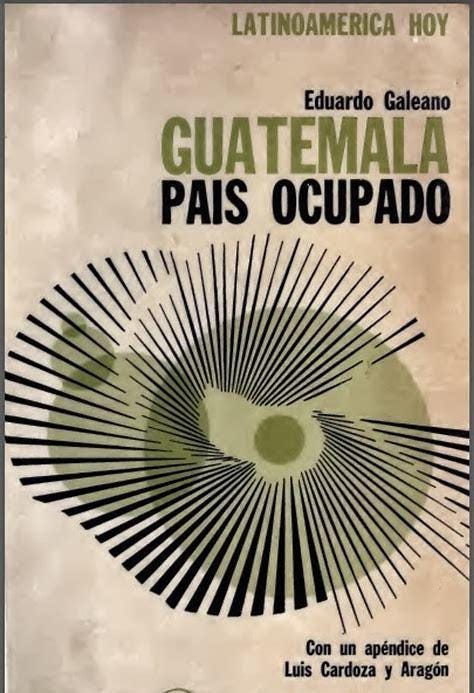
Guatemala: Occupied Country by Eduardo Galeano
An appraisal of the conditions of dependency in Guatemala in 1969. A grim look at the human costs of neocolonialism.
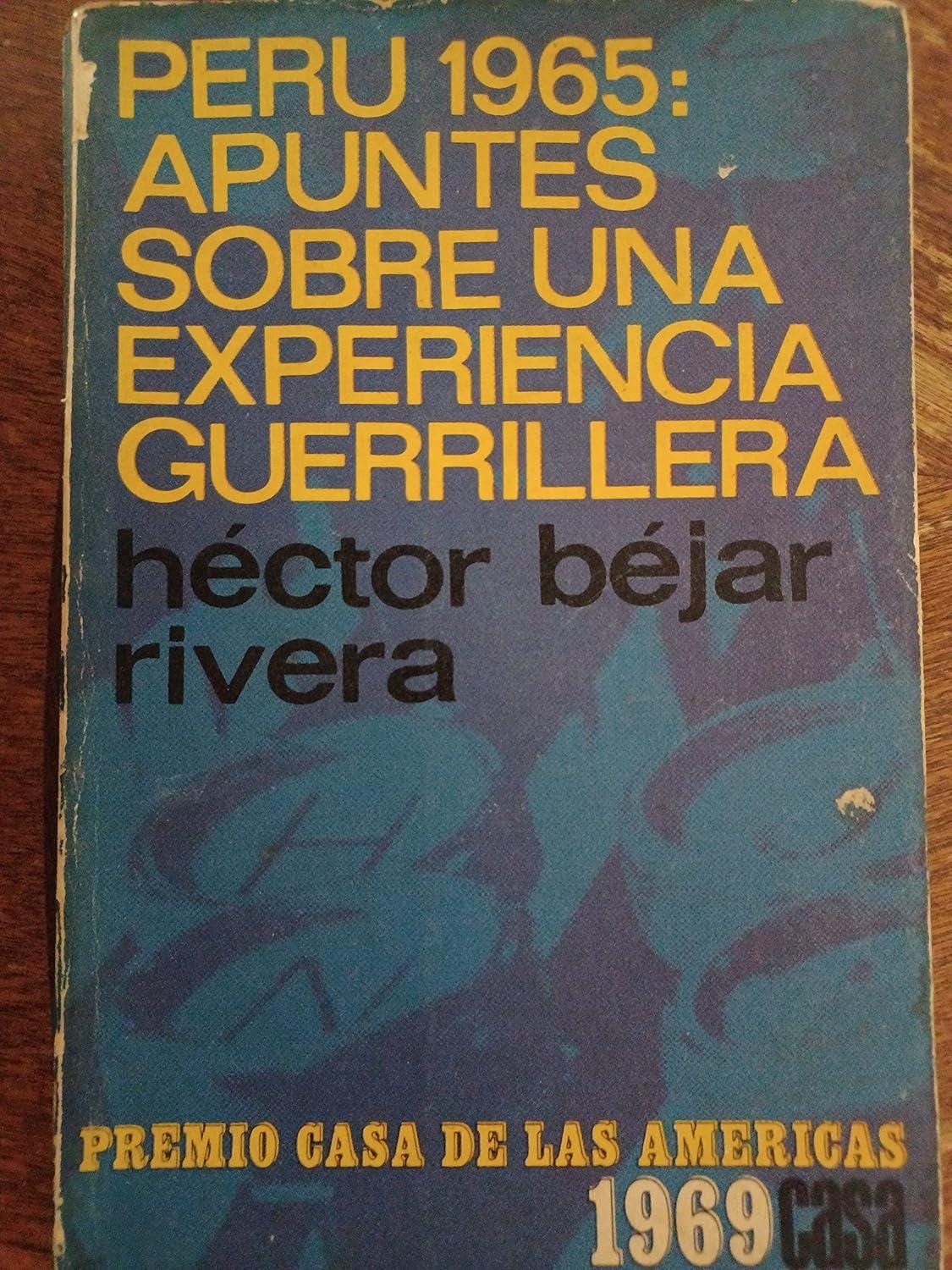
Peru 1965: Notes on a Guerrilla Experience by Hector Bejar
A self-criticism on the failed 1964 uprising and the disastrous rural guerrilla campaign that followed it in rural Ayacucho, Peru. Written by one of the guerrilla leaders and sole survivors of the campaign. Published in 1970
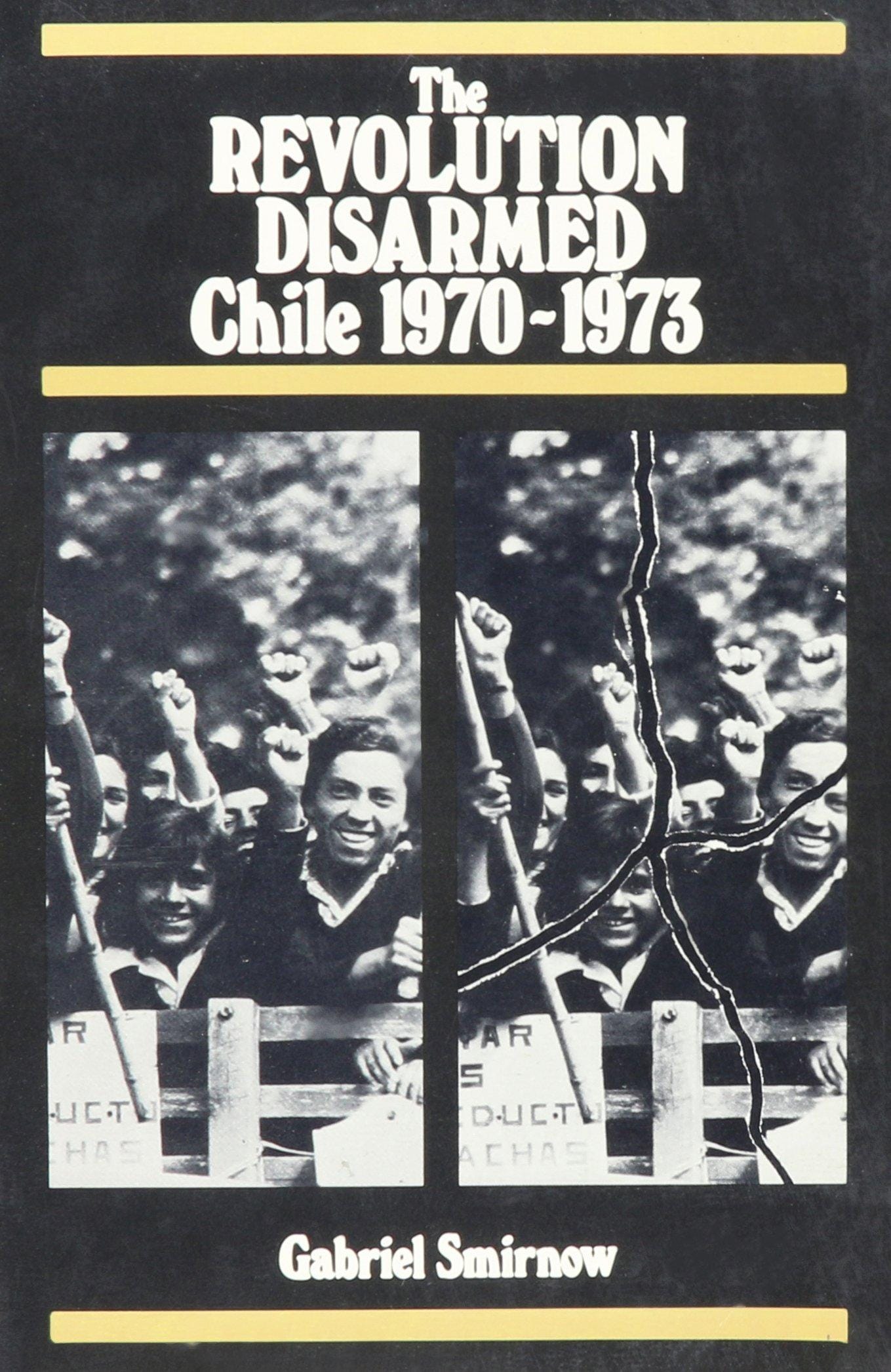
The Revolution Disarmed: Chile 1970-1973 by Gabriel Smirnow
A look at the “thousand days of socialism,” initiated by the Popular Unity government and it’s chief representative, Salvador Allende. A detailed critique of the centralizing, institutionalist, and pacifist orientation of the UP government.
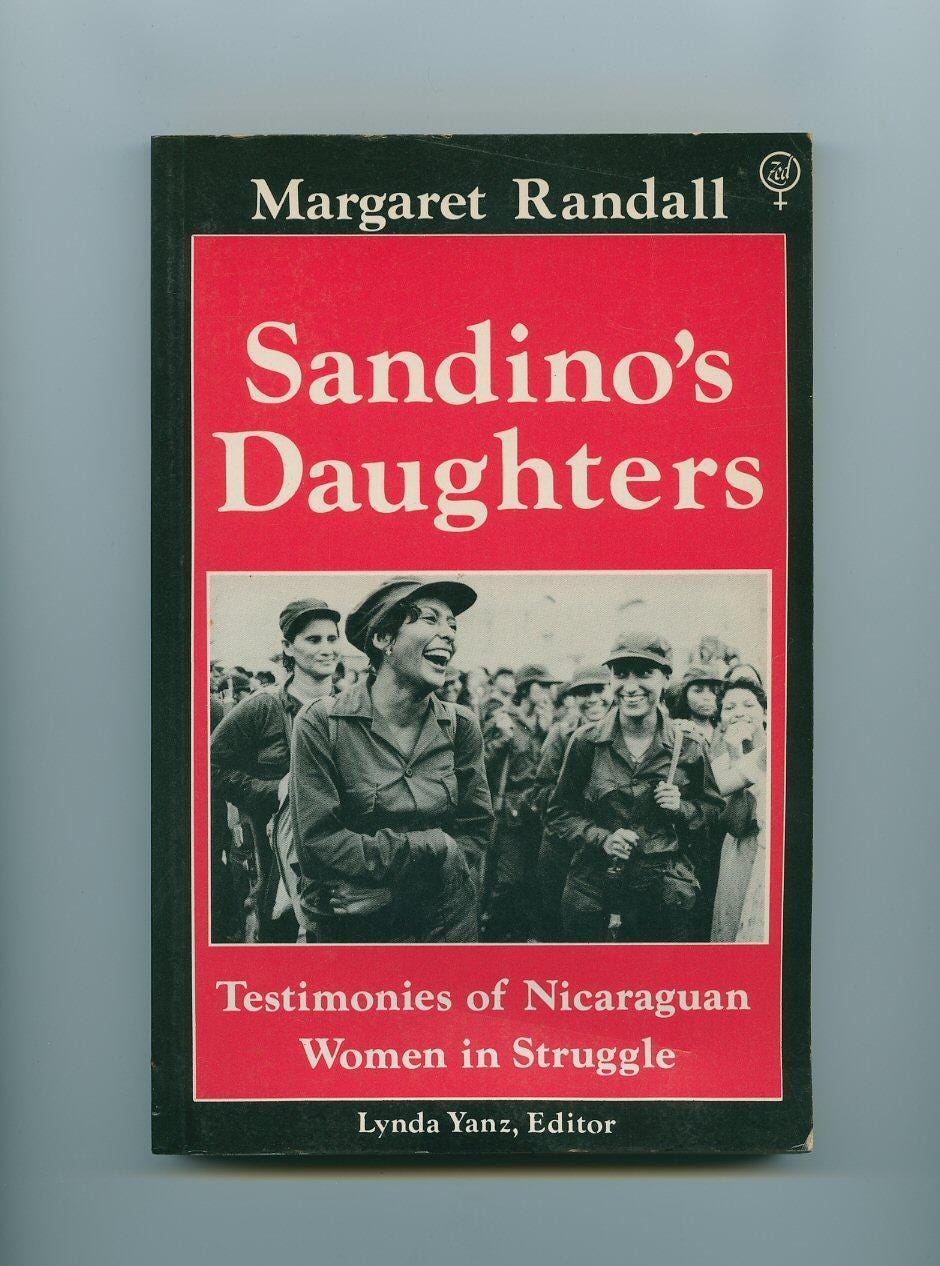
Sandino’s Daughter by Margaret Randall
Sandino’s Daughters is the story of the Sandinista revolution told by it’s women protaganists. Featuring rank-and-file guerrillas, commanders, poets, mothers and daughters, and their stories of the struggle that overthrew the Somoza government.
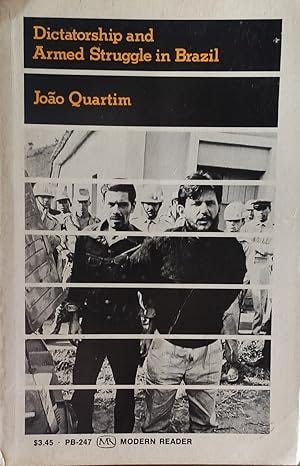
Dictatorship and Armed Struggle in Brazil by João Quartim
Quartim, once an influential member of the Revolutionary People’s Vanguard (VPR) who opposed the military dictatorship in Brazil through armed struggle, traces the political and economic history of Brazil and the social forces there that led to the dictatorship. He then analyzes the progression of the armed struggle from a rural to urban character and offers some thoughts on the limits of urban guerrilla warfare.
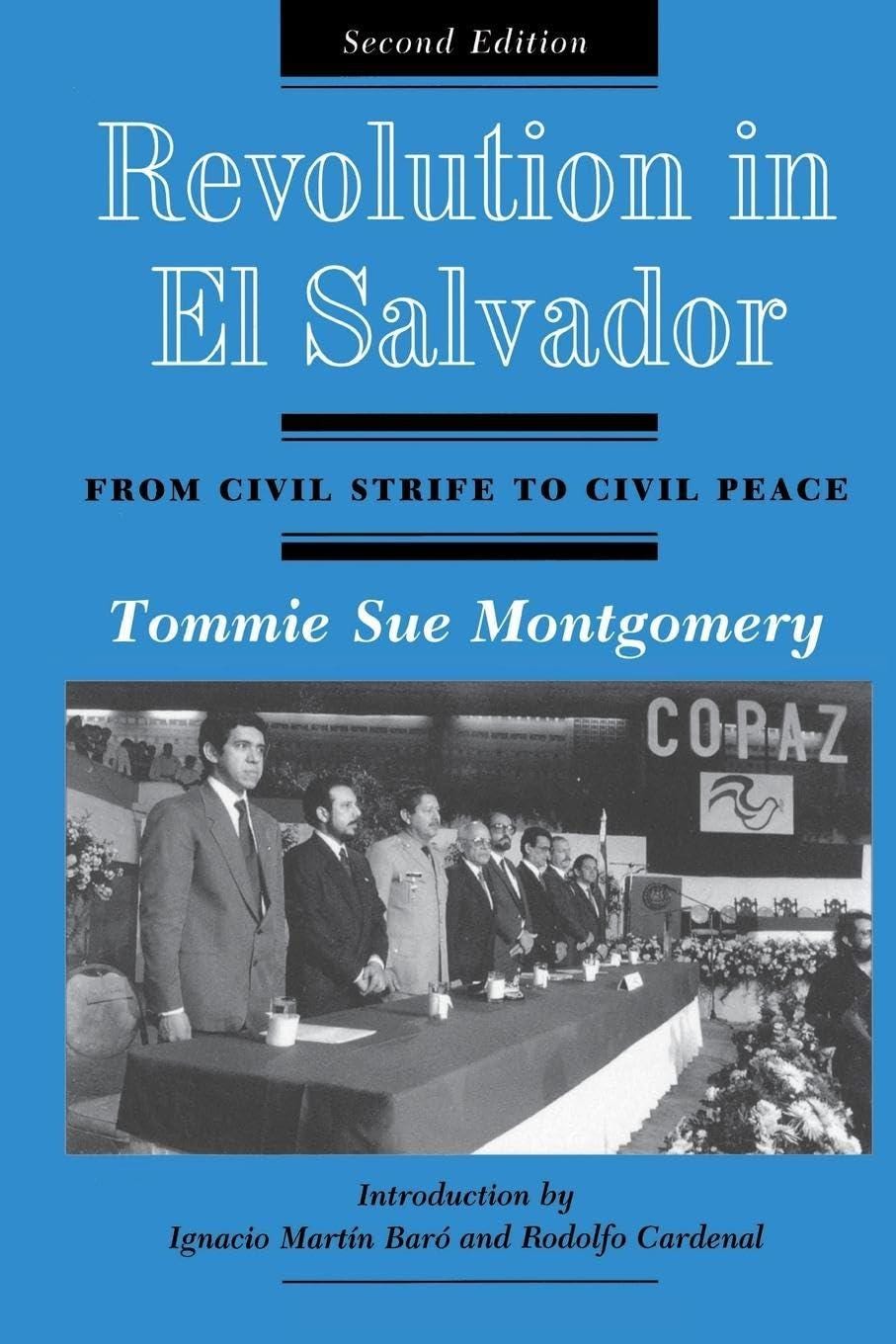
Revolution in El Salvador by Tommy Sue Montgomery
The author analyzes the roots of the revolutionary movement in El Salvador. She examines the role of the U.S. in the propping up of various elements of the Salvadoran dictatorship and ruling class. She talks about the role of the Catholic Church and how Catholicism led to the development of revolutionary organization. A revised edition goes into the peace process that emerged out of decades of armed struggle.
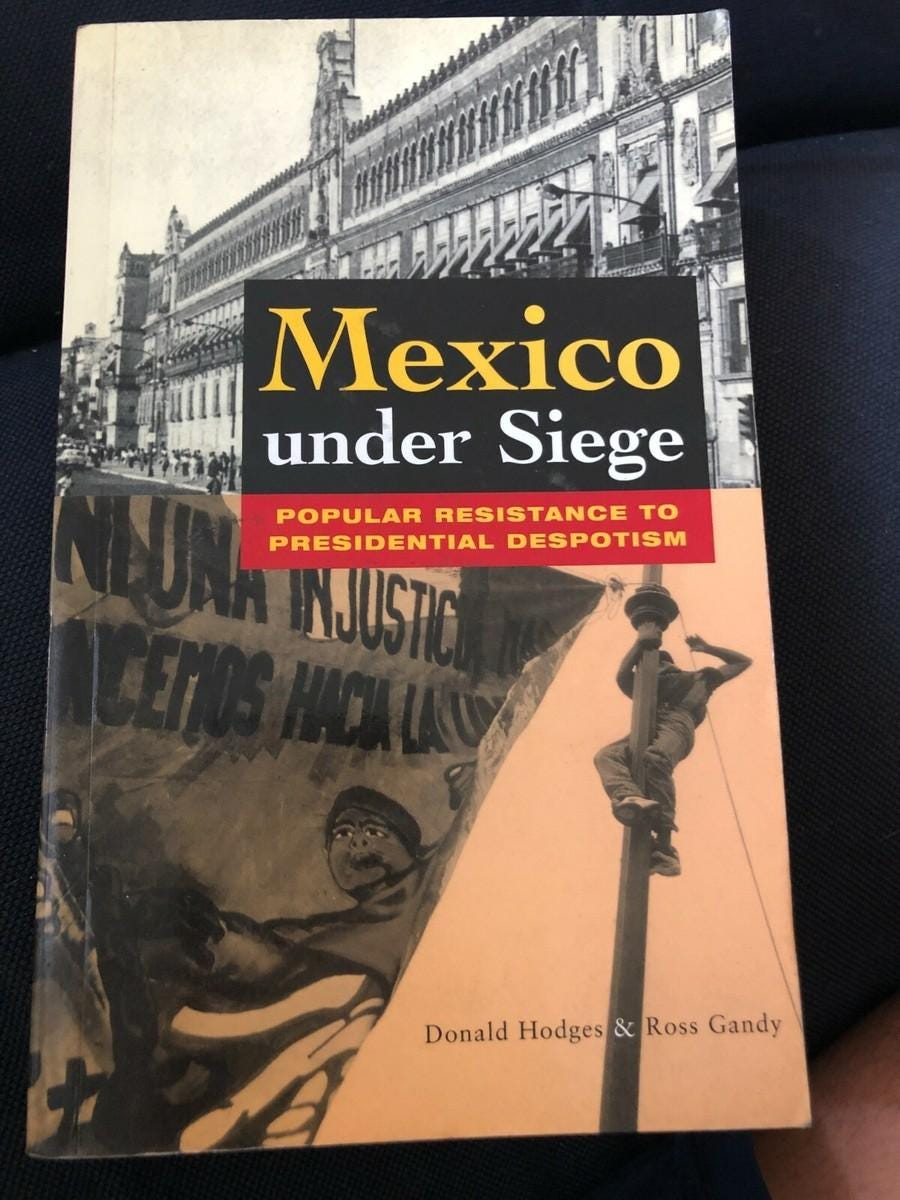
Mexico Under Siege by Donald Hodges and Ross Gandy
This book examines Mexican social struggles of the second half of the 20th century. It analyzes the histories of the peasants, revolutionary teacher struggles, the student movement of 1968, the guerrilla movements of the 1960s and 1970s, and finally the emergence of the Zapatistas.
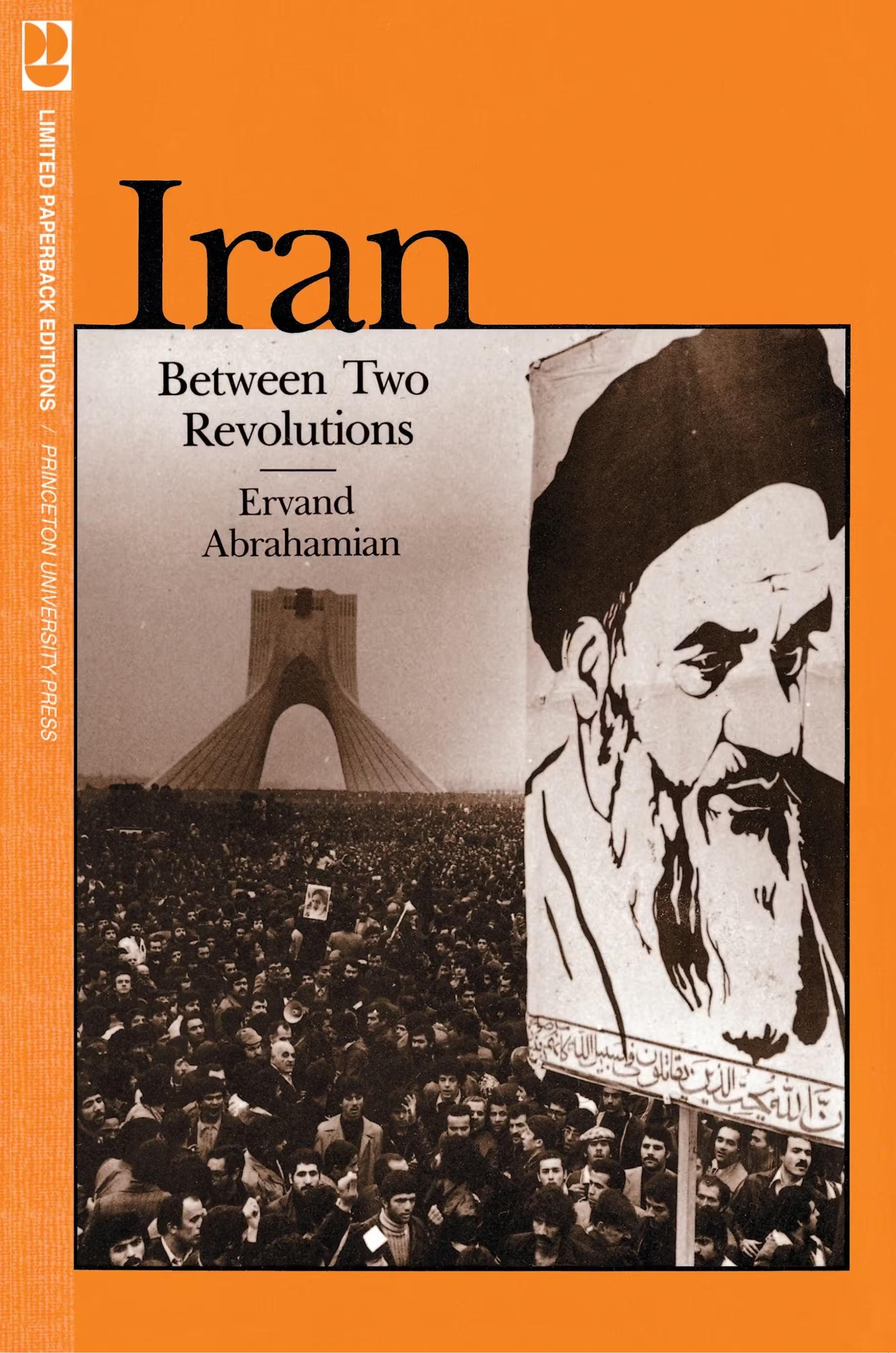
Iran Between Two Revolution by Ervand Abrahamian
Iranian author Ervand Abrahamian surveys the social forces and histories that gave rise to the Constituional Revolution of 1905 and the revolution of 1979. The book traces developments in the political structures of the Iranian state as well as the grassroots opposition groups.
Mexico 1910-1982: Reform or Revolution by Donald Hodges and Ross Gandy
A history of the Mexican Revolution and its place in broader Latin American revolutionary history. The authors discuss the revolution alongside the national liberation struggles breaking out across the Western Hemisphere in the early 20th century and their common ideological roots. Hodges and Gandy analyze the specific character of the Mexican revolution, it’s scope, and the limits that kept it from going further.
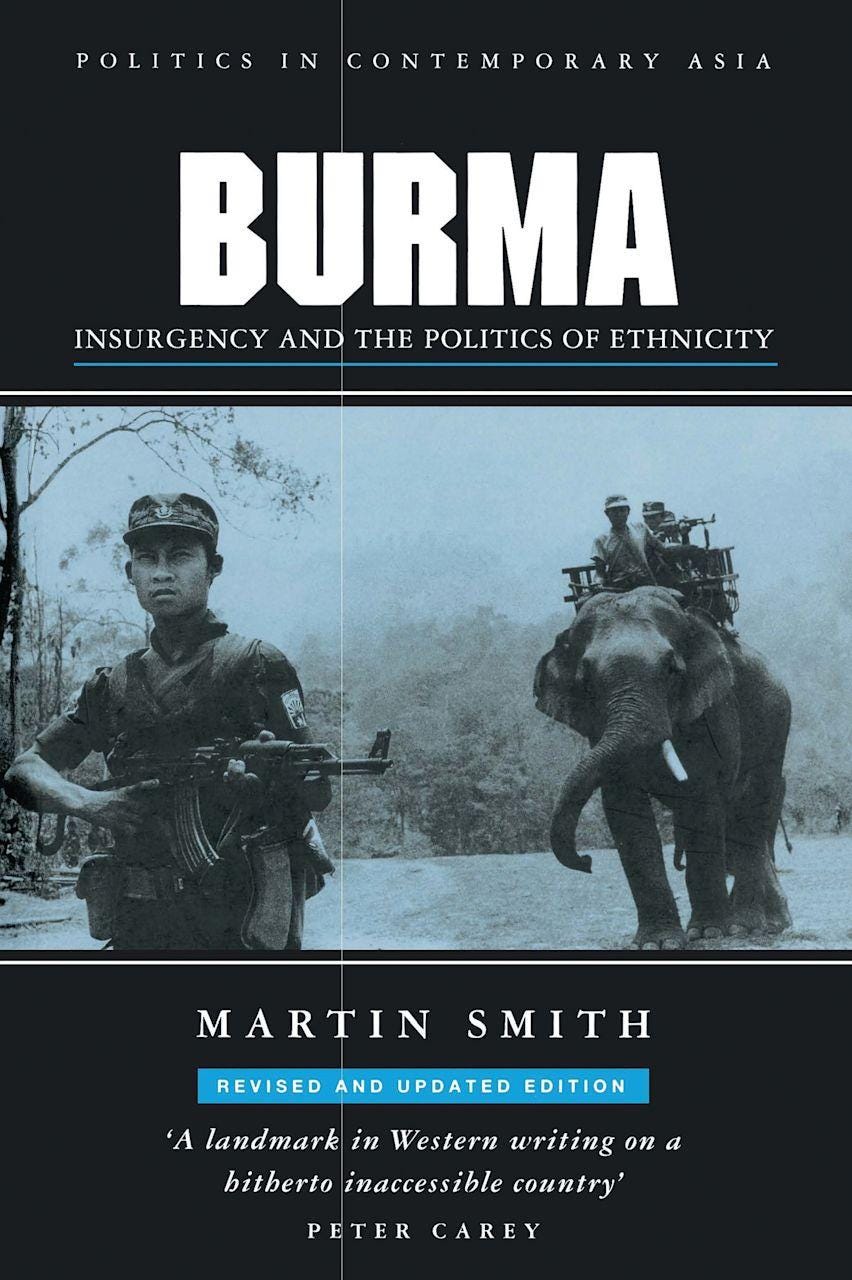
Burma: Insurgency and the Politics of Ethnicity by Martin Smith
This book opens with a narrative of the 1988 student movement. It discusses the development of the 1988 struggle before going back in time and contextualizing it in the histories of the socialist and ethnic rebellions of the mid-20th century. Essential background for understanding the ongoing civil war in Myanmar.